
Endoscopic transampullar examination of the biliary tract is considered the standard method of treatment for stones in its interior, but it is not effective in all scenarios.
That procedure is successful in stones impacted in the intrahepatic ducts when additional resources are used, such as cholangioscopy and lithotripsy (electrohydraulic or laser), and with the possibility of their repetition, which significantly increases costs.
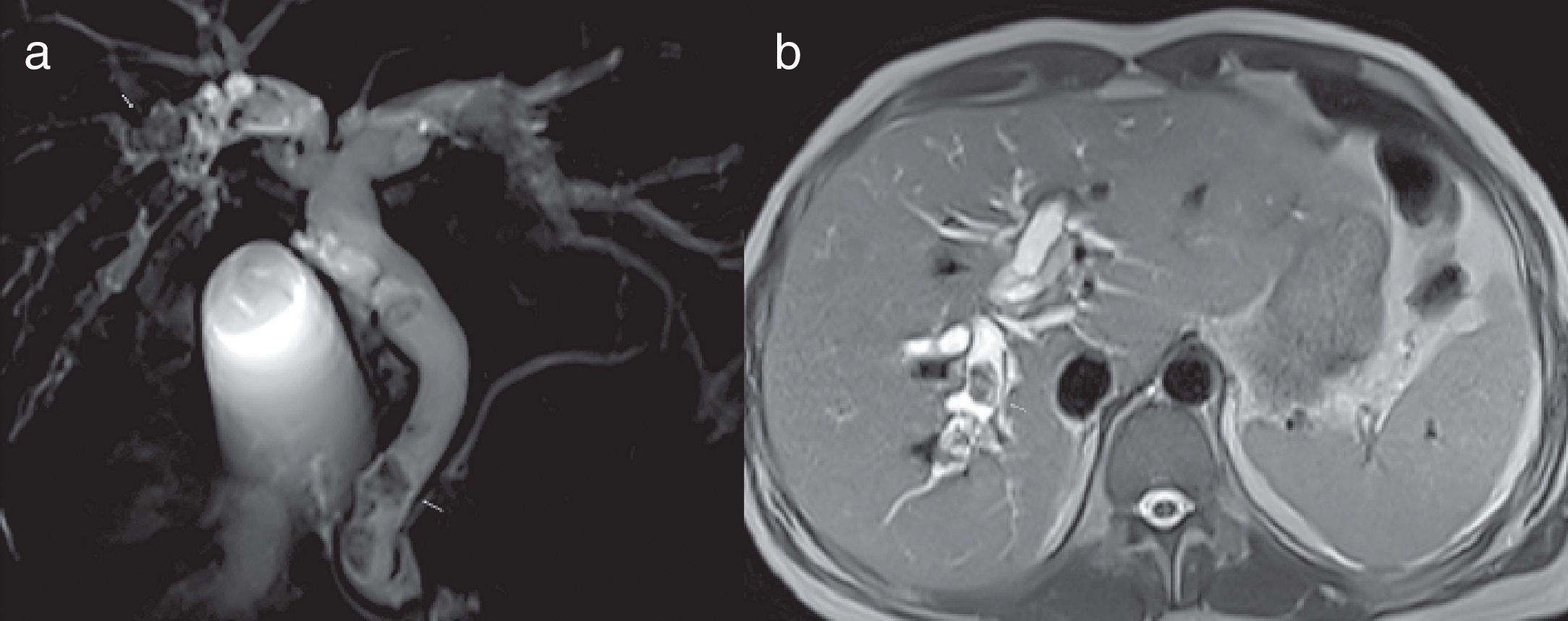
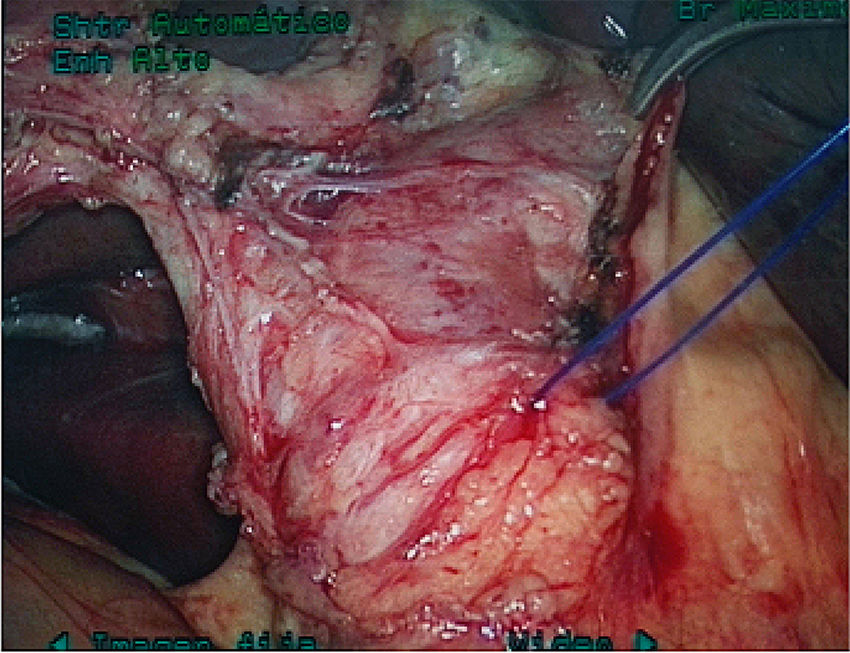
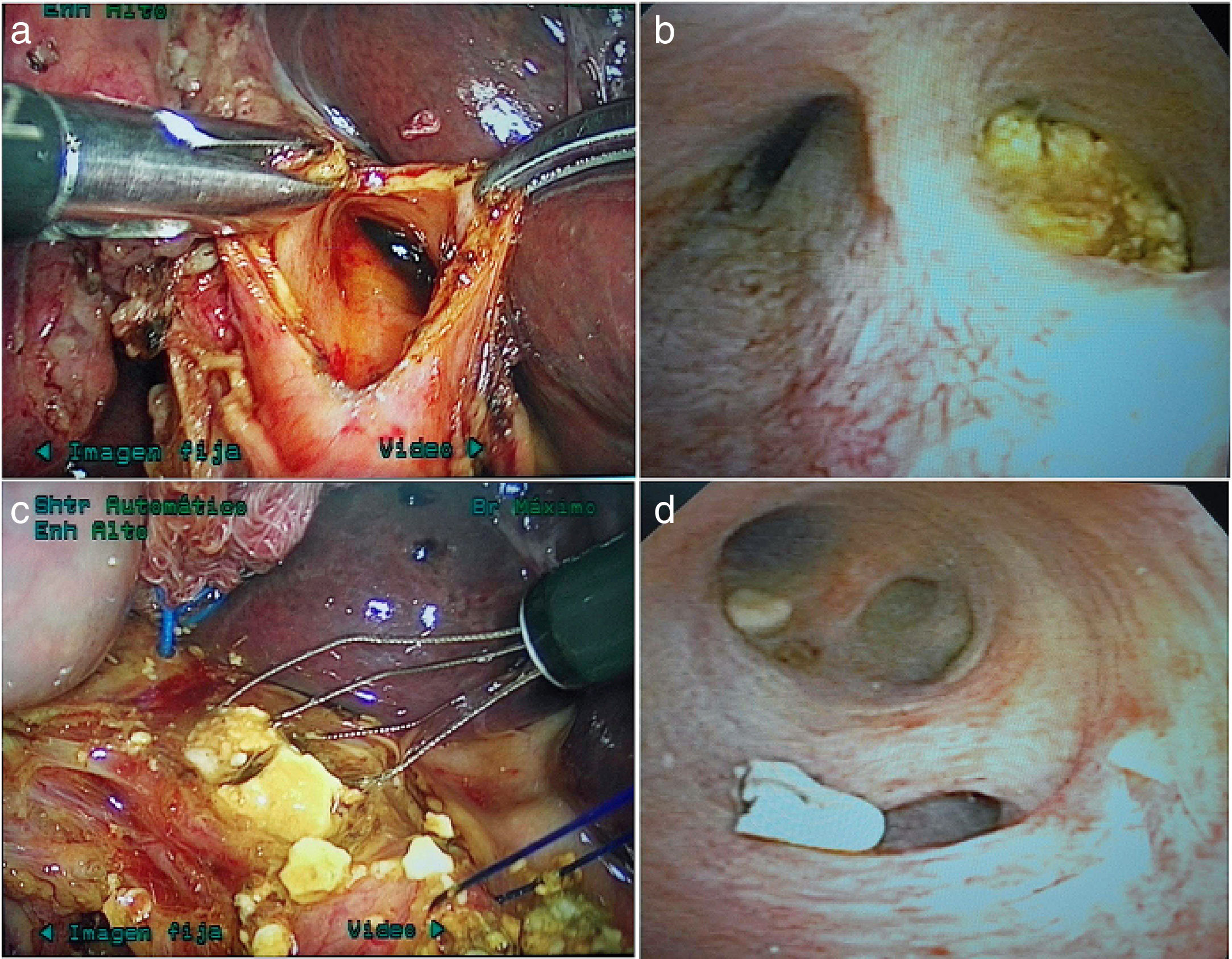
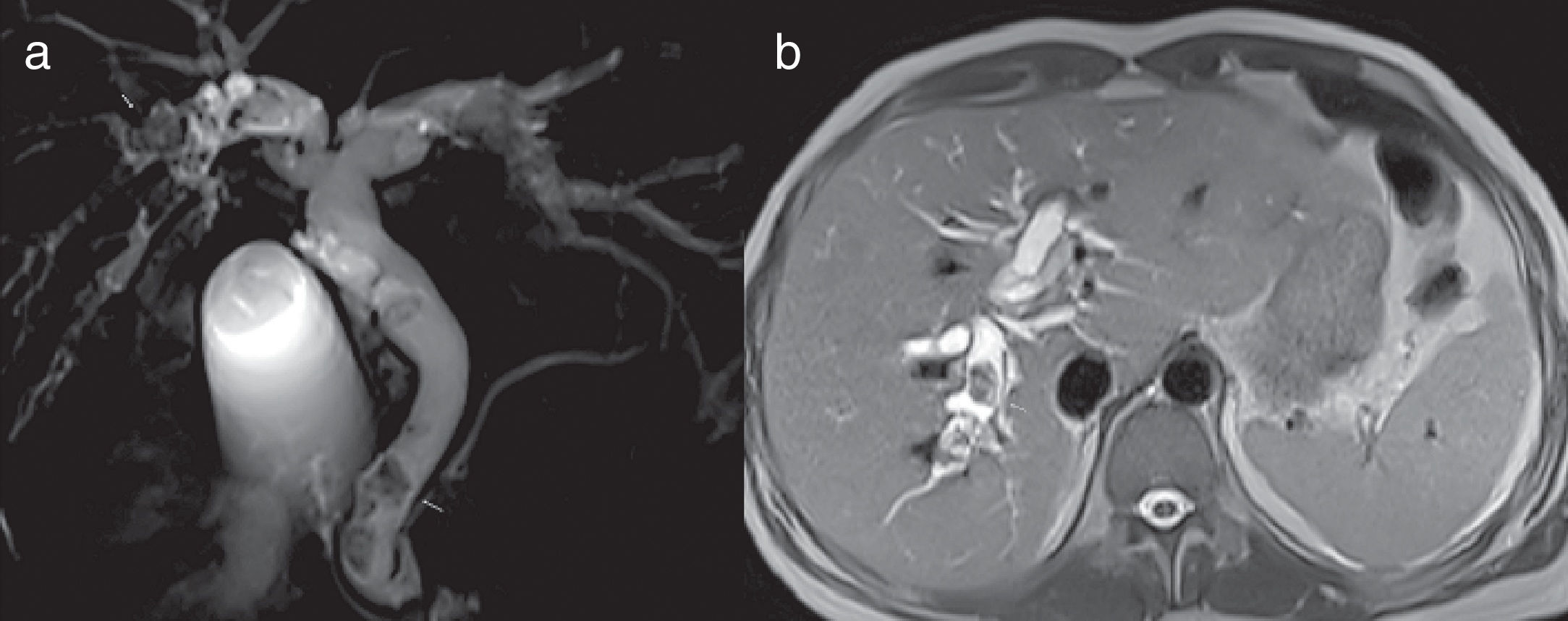
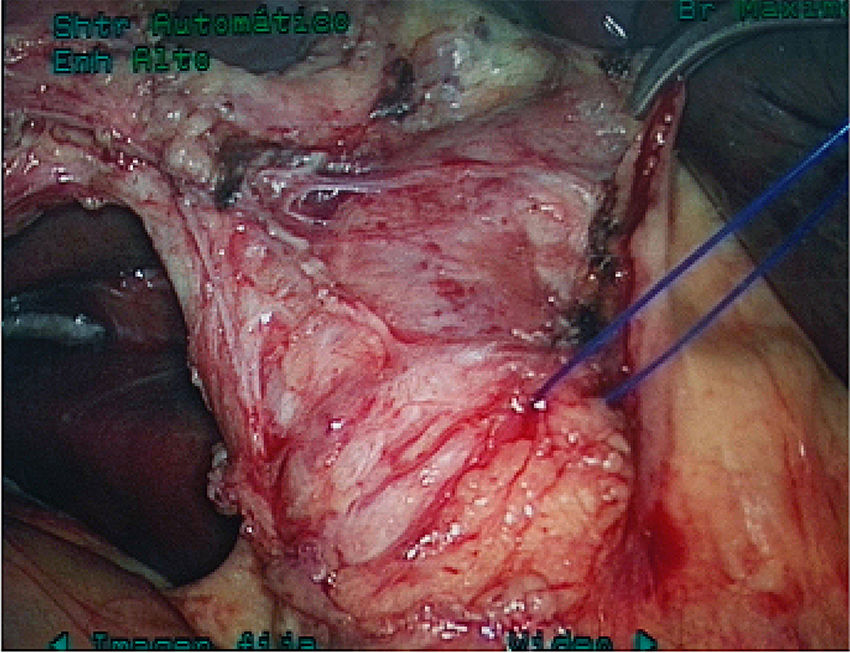
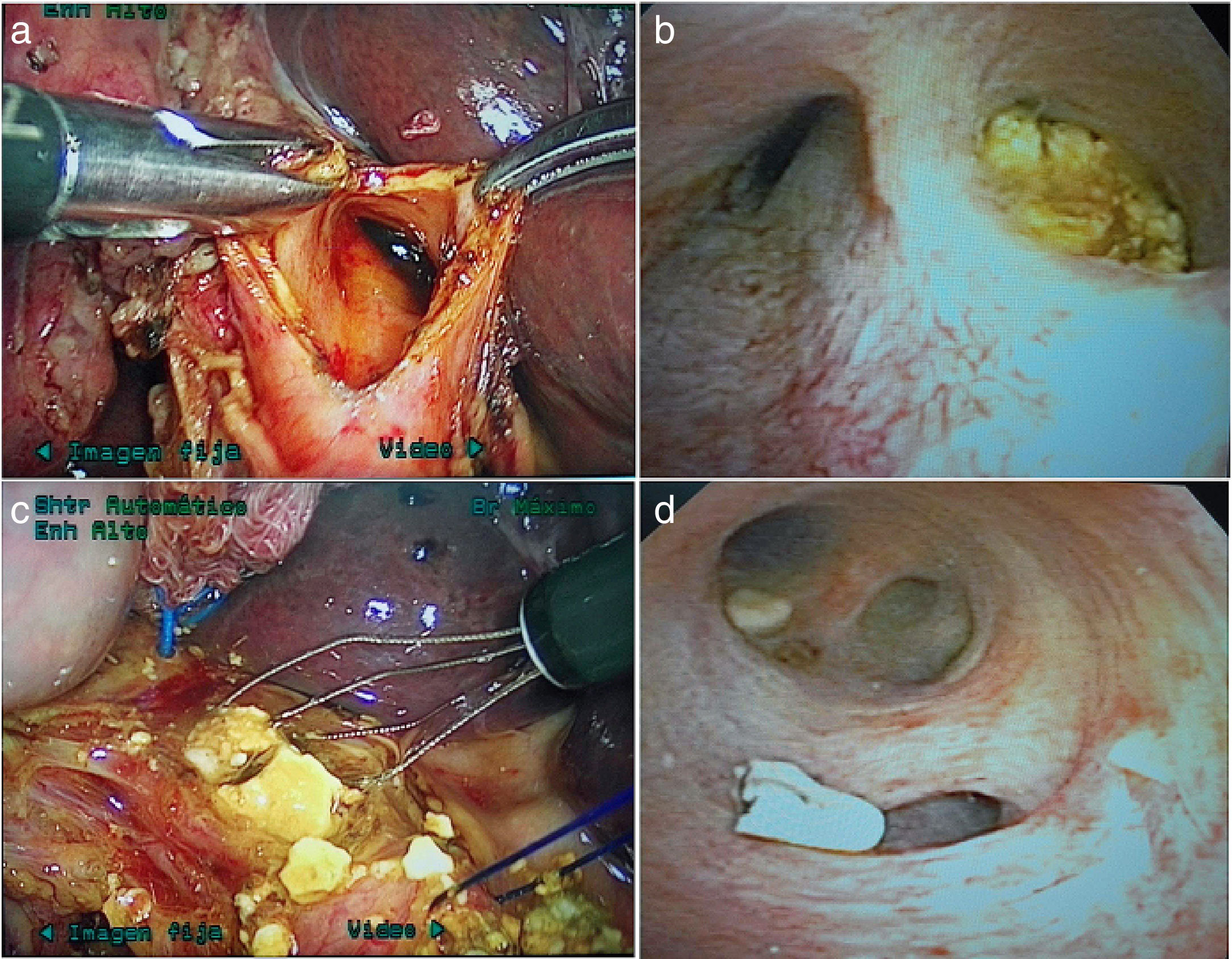
We describe the case herein of a young man that sought medical attention due to obstructive jaundice and recurrent episodes of cholangitis. Diagnosis was cholelithiasis with multiple stones, one of which was impacted (fig. 1 a,b). Antibiotic therapy was begun and cholecystectomy with laparoscopic examination of the bile ducts was performed using a flexible video-endoscope with a 5.3-mm diameter, a 2-mm working channel, and a Dormia basket (figs. 2 and 3 a-d). Complete stone extraction was achieved. The patient progressed satisfactorily and was released 48h after the procedure. In the case described, cholecystectomy, laparoscopic examination of the biliary tract, and intraoperative cholangioscopy were a cost-effective treatment option.
The authors declare that no experiments were performed on humans or animals for this study.
Confidentiality of dataThe authors declare that they have followed the protocols of their work center on the publication of patient data.
Right to privacy and informed consentThe authors declare that no patient data appear in this article.
Financial disclosureNo financial support was received in relation to this article.
Conflict of interestThe authors declare that there is no conflict of interest.
Please cite this article as: Pereira-Graterol F, Salazar F, Venales Y. Litiasis biliar intrahepática impactada: abordaje laparoendoscópico empleando colangioscopia flexible. Revista de Gastroenterología de México. 2019;84:241–242.